2026-08-17
Barricade Graphics for Mall Retailers: Design, Print, and Install Explained
By Bryce Mitchell — Founder, Rapid Retail Graphics
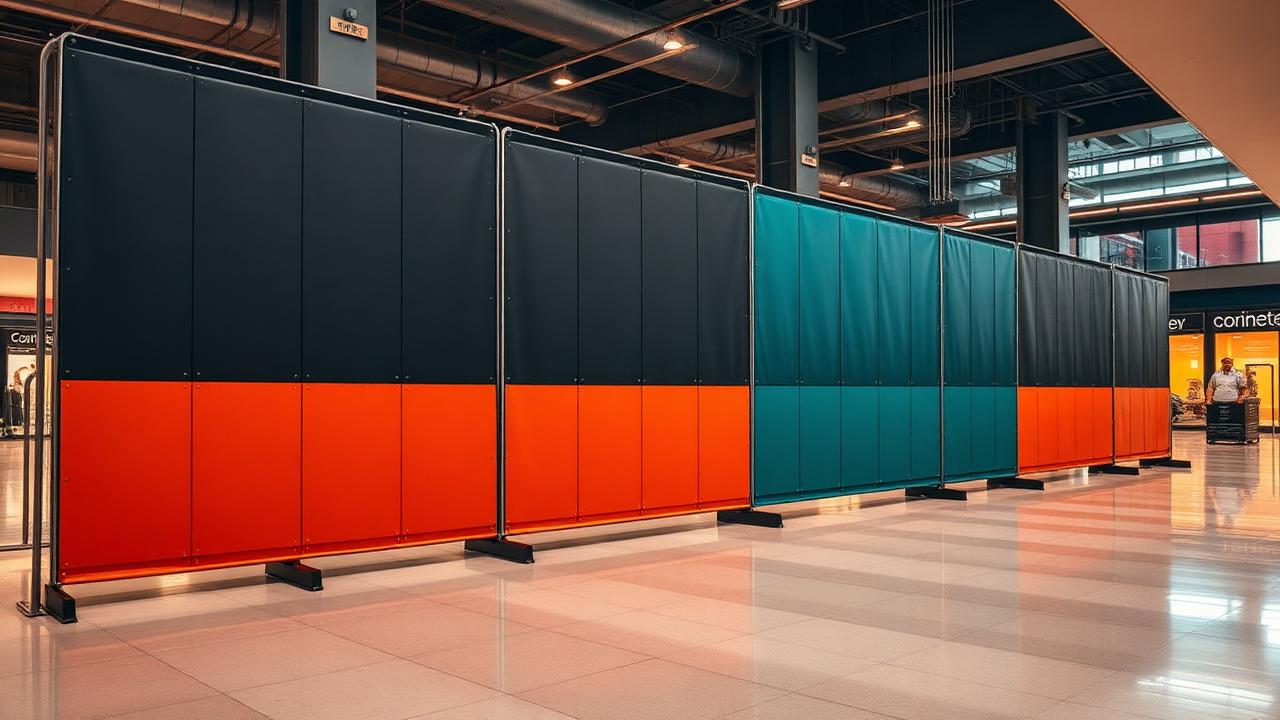
If you're coordinating a mall store opening or renovation, barricade graphics are probably the last thing on your list — and yet they're one of the first things mall operations will ask about. Get them wrong and you're dealing with landlord revision requests, delayed approvals, and a construction zone that actively undermines the brand you're trying to launch.
Here's how the process actually works: what goes into the design, what print production involves, and what a professional installation looks like inside a live shopping mall.
What Are Barricade Graphics?
Barricade graphics are large-format printed panels applied to the temporary construction barriers that enclose a retail space during a build-out or renovation. They turn a plywood or metal hoarding structure into a branded surface — typically featuring campaign imagery, brand colors, typography, and teaser messaging about the incoming tenant.
From a mall operations standpoint, they serve two purposes. They keep the shopping environment looking presentable while construction is underway. And they give the incoming brand a visible presence in the space before a single fixture goes in.
Most mall landlords require them. Many — including Cadillac Fairview, Oxford Properties, and Ivanhoe Cambridge — have specific standards around materials, finish, and installation method that any vendor must meet. Our mall construction barrier graphics service covers the full scope under those standards.
The Design Stage: More Than Resizing a Campaign File
The design phase is where most projects either get ahead of schedule or fall behind. A few things determine how smoothly it goes.
Panel Layout and Structural Constraints
A barricade isn't a single flat canvas. It's a series of vertical sections separated by structural framing, door openings, and corner joints. Any design has to account for where those breaks fall — otherwise copy gets cut mid-word and faces get split across seams.
A proper site survey, with photos and measured drawings, is the starting point. Without accurate panel dimensions, the artwork template can't be built correctly, and you'll burn days in revision cycles fixing alignment issues that should have been caught at the measurement stage.
Working From Existing Brand Files
Most retail brands come in with existing campaign creative: seasonal imagery, brand photography, approved typography. A good barricade graphics design team can adapt those files to a panel layout without rebuilding the creative from scratch. What they need from you are high-resolution source files, brand guidelines, and any copy that needs to appear on the hoarding.
What they shouldn't need is for you to manage the adaptation process. That's a vendor responsibility, not a client task.
Landlord Approval
Many mall landlords require design sign-off before installation can proceed. If you're working with a landlord that has documented hoarding standards, your vendor should know those requirements before artwork production begins — not after the first submission gets rejected.
The Print Stage: Why Material Choice Matters
Large-format printing for construction hoarding isn't the same as printing a trade show banner. The panels need to hold up in a high-traffic environment, resist scuffs and cleaning products, and look sharp under the intense lighting of a modern mall.
Substrate and Finish
The most common substrates for mall hoarding graphics are vinyl applied to rigid backing panels, or direct-print on corrugated or foam board systems. For permanent or semi-permanent installations, a cleanable laminate finish is standard — it lets mall housekeeping wipe down the surface without damaging the print.
Matte finishes reduce glare under overhead lighting. Gloss finishes can look strong in photography but create hotspots in person. The right choice depends on the lighting conditions at your specific location.
For a closer look at what to specify before placing a print order, large-format printing for retail hoarding covers the key decisions in detail, and our hoarding graphics printing page lists the standard substrate and finish options.
Color Accuracy
Color accuracy is a real concern when adapting campaign files. Brand guidelines typically specify colors in RGB or Pantone. Large-format print production works in CMYK. A vendor that doesn't profile their output against your brand standards can produce panels that look noticeably off from your approved creative.
Ask how your vendor handles color matching — especially if your brand has tightly controlled primary colors.
Lead Time Realities
Print lead time is where projects most often slip. A vendor quoting a two-week turnaround when your lease deadline is five business days out isn't useful. Once artwork is approved, the print stage itself typically takes one to two days for standard panel quantities. The total timeline from survey to installed barrier depends on how quickly the design stage moves and how responsive the landlord approval process is.
At Rapid Retail Graphics, the average lead time from survey to installed barrier runs 1 to 5 business days, with rush options available for tighter timelines. That figure assumes artwork moves through approval without extended revision cycles.
The Installation Stage: What Actually Happens On-Site
Installing graphics inside a live mall is a different operation from working in an empty warehouse. The environment is controlled, the timing is restricted, and any mistake is visible to thousands of shoppers.
After-Hours Scheduling
Most mall operations teams require installation outside trading hours — typically overnight or in the early morning before the mall opens. This keeps shoppers clear of construction activity and prevents the crew from blocking pedestrian traffic.
Coordinating after-hours access means advance communication with mall security, operations management, and sometimes the landlord's facilities team. If your vendor isn't experienced with this process, those conversations fall to you — on top of everything else you're already managing.
For a detailed breakdown of how after-hours installation works in practice, installing branded construction barriers in a mall without disrupting shoppers covers the logistics step by step.
Panel Application and Alignment
The physical installation involves applying printed panels to the hoarding structure with precise alignment across seams and corners. Panels need to be level, bubble-free, and correctly positioned relative to the structural breaks identified during the site survey. Any misalignment that wasn't caught in the template stage becomes obvious at scale.
A crew with real mall experience knows what to look for. A general print shop sending a subcontracted install team for the first time often doesn't — our hoarding graphics installation teams work in live malls across North America every week.
Post-Installation Inspection
Before leaving the site, a professional crew should walk the installed barrier and check for lifted edges, misaligned seams, and any panels that need adjustment. This is also the point where the client or landlord representative can sign off on the work.
Managing the Full Process as One Scope
The most common problem in barricade graphics projects isn't any single stage — it's the handoffs between them. When a surveyor, a designer, a printer, and an installer are four separate vendors, each one is working from information passed down from the step before. Errors compound. Timelines slip. And the person holding it all together is usually a leasing coordinator who already has fifteen other things on their plate.
A single vendor managing the full scope eliminates those handoffs. The same team that takes the site measurements builds the artwork template, produces the panels, and installs them. When something needs to change, there's one point of contact. Our process page walks through each stage in order.
Rapid Retail Graphics handles the complete process from site survey through installation across North America, with pricing starting at approximately $6 per square foot inclusive of print and standard installation. Final pricing is confirmed after reviewing site photos and drawings. You can get an instant estimate based on your square footage or send us your site details to start a project.
FAQs
What are barricade graphics made of?
Most mall barricade graphics use large-format printed vinyl applied to rigid panels, or direct-print substrates such as corrugated board. A cleanable laminate finish is standard for mall environments, allowing the surface to be wiped down without damaging the print.
How long does it take to produce and install barricade graphics?
Working with a full-service vendor, the average lead time from site survey to installed barrier is 1 to 5 business days. That assumes artwork moves through landlord approval without extended revision cycles. Rush options are available for tighter deadlines.
Do mall landlords need to approve barricade graphics before installation?
Most major mall landlords — including Cadillac Fairview, Oxford Properties, and Ivanhoe Cambridge — require design approval before installation. Your vendor should be familiar with each landlord's specific standards before artwork production begins, not after the first submission gets sent back.
Can I use my existing brand campaign files for barricade graphics?
Yes. A vendor experienced in retail hoarding can adapt existing campaign creative to a panel layout without rebuilding the design from scratch. You'll need to provide high-resolution source files, brand guidelines, and any copy requirements. The adaptation work is the vendor's responsibility, not yours.
How much do barricade graphics cost?
Pricing typically starts at approximately $6 per square foot, inclusive of print and standard installation. Final pricing depends on the specific site, panel configuration, and installation requirements. An instant estimate calculator is available on the Rapid Retail Graphics pricing page.
Why does installation need to happen after hours?
Mall operations teams generally require installation outside trading hours to protect shoppers and keep construction activity away from pedestrian traffic. After-hours installation requires advance coordination with mall security and facilities management — something a vendor experienced in mall environments should handle directly.
What's the difference between a print-only vendor and a full-service barricade graphics vendor?
A print-only vendor produces the panels and hands them off to you or a separate installer. A full-service vendor manages site survey, artwork production, print, and installation as one coordinated scope. For projects with tight lease deadlines, that model removes the coordination burden and reduces the risk of errors passing between separate vendors.
The barricade graphics process has a lot of moving parts, but the path through it is straightforward when the right vendor is managing the full scope. Know your panel dimensions before artwork starts, confirm landlord requirements early, and make sure your installer has real experience working in live mall environments. Those three things eliminate most of the problems that cause projects to slip.
Have a hoarding project coming up?
Get a Quote